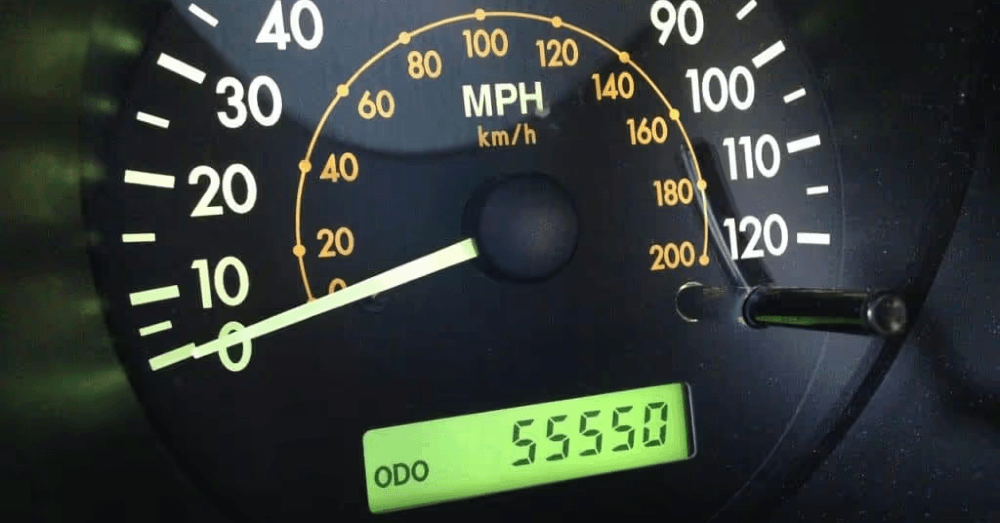
Walk onto any used car lot and the first number most shoppers chase is the one on the odometer. It feels like a shortcut to judging quality, but the figure by itself can be misleading. That number tells you something important about wear, value, and remaining life, yet it’s only one piece of a much bigger picture.
- The 12,000-miles-per-year rule helps you spot above or below average wear
- Highway miles age a car differently than stop-and-go city miles
- Maintenance history, owner count, and inspections matter as much as the odometer
What the Odometer Number Actually Represents
Mileage can be a strong indicator of the state of a used car’s engine, transmission, suspension, and other key components. Parts wear out on a schedule tied to use, so the more a car has been driven, the closer it sits to needing belts, bushings, brakes, or fluids replaced. Cars with higher readings are more likely to show dents and scratches, faded paint, worn tires or brakes, and damaged interior features.
The number also drives price. Higher-mile cars tend to cost less than low-mile ones, which makes the odometer a quick filter for budget shoppers. It’s a poor sole judge of reliability, though.
Doing the Math on Average Miles
The most useful trick is comparing the odometer reading against the car’s age. According to the latest stats from the Federal Highway Administration, the average driver covers 13,476 miles per year. Used cars with an annual average lower than that could be considered to have good mileage. You can find that yearly figure by dividing the odometer number by the car’s age in years. A five-year-old car with around 65,000 miles, or about 13,000 miles per year, would be considered average.
Many dealers still use the round 12,000-miles-per-year benchmark. To check whether a car has reasonable wear, multiply 12,000 by its age. Good mileage for a 5-year-old car works out to 60,000. A lot more or fewer miles could point to trouble down the road.
Why High Miles Aren’t Always a Red Flag
The old idea that 100,000 miles was the death knell no longer holds up. With responsible maintenance, many cars can go 200,000 miles and beyond. That said, it’s reasonable to approach cars with 100,000 miles or more with extra caution. Some vehicles actually age better with use. Because cars are meant to be driven, well-used vehicles tend to stay lubricated and burn off carbon buildup, both of which help the engine last longer. Cars with low miles often aren’t given fluid changes as frequently, which can cause problems later.
The type of miles matters just as much as the count. A car driven 75,000 miles on the highway will usually run longer than one that racked up 75,000 in stop-and-go traffic. Highway driving is gentler on brakes, transmissions, and engines because the parts run at steady temperatures.
When Low Miles Should Make You Pause
A suspiciously low odometer reading deserves its own look. A car with ultra-low miles may have sat unused for long stretches, which causes its own headaches, like engine or brake issues from inactivity. Rubber seals dry out, fluids break down, and tires develop flat spots when a vehicle sits in a garage for years. Some parts may need immediate repair or replacement before the car is safe to drive regularly.
The Bigger Story Behind the Number
Owner count, service records, and brand reputation often outweigh the raw figure. If a car is 10 years old and only has 90,000 miles on it, that alone suggests a good deal. But if it has had four owners during that span, there’s a strong chance at least one didn’t keep up with maintenance.
Some brands earn extra trust at higher readings. Diesel engines are known for lasting longer than gasoline engines, so a high-mile diesel may not be as much of a concern. Honda and Toyota also have a reputation for producing long-lasting vehicles, which softens the worry around bigger numbers.
A vehicle history report fills in the gaps the odometer can’t. A Carfax report can show you what happened during a car’s life, including accidents, unexpected repairs, and any use as a rental or fleet car.
Reading Between the Miles Before You Buy
Treat the odometer as a starting point, not a verdict. Calculate the annual average, ask about highway versus city use, and request maintenance records. Always have the car inspected by a mechanic to check for hidden issues like frame damage, rust, or internal engine problems, regardless of age or miles. Pair those steps with a vehicle history report and you’ll have a far more honest read on a used car than any single number can give you. The right car at 110,000 miles often beats the wrong car at 40,000.