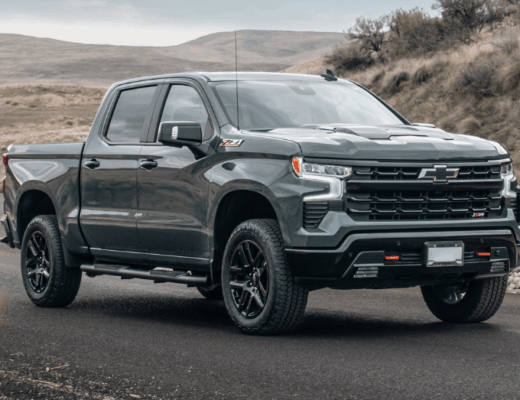

Most car shoppers don’t start their search with “dealerships near me.” They start with questions. What’s the difference between these two models? Which one handles better for my family? How much cargo space do I actually need? Those early queries might not look like buying signals, but they often are.
- Comparison searches like “Chevy Tahoe vs Suburban” signal a shopper who has narrowed the field and is getting serious about a purchase decision.
- Dealers who create educational content for research-phase queries build trust before the customer ever contacts a sales team.
- Bridging informational articles to inventory pages can turn passive readers into active leads without feeling pushy or transactional.
Why Research Queries Are Worth Targeting
Search intent falls into a few broad categories. Some people want to buy something right now. Others are gathering information before they’re ready to commit. A third group is somewhere in between, comparing options and narrowing their choices. That middle group is where dealership content can do a lot of work.
When someone searches for something like Chevy Tahoe vs Suburban, they’re not browsing randomly. They’ve already decided they want a full-size Chevy SUV. They’ve probably done some homework. Now they’re trying to figure out which one fits their life. That kind of specificity puts them much closer to a purchase than someone who’s just typed in “what kind of car should I buy.”
Dealers who target these mid-funnel queries show up at exactly the right moment. And if the content actually helps the reader make their decision, the trust built there carries real weight when they’re ready to call or visit.
What Good Educational Content Looks Like
The goal isn’t to write something that feels like a thinly veiled advertisement. Shoppers can spot that immediately, and they’ll leave. What actually works is content that reads like something a knowledgeable friend would write, covering honest tradeoffs, specific specs, and real-world use cases.
A comparison article between two trim levels of the same model? Useful. A breakdown of which truck configurations handle different towing scenarios? Genuinely helpful. A guide that walks through the actual differences between seating configurations in competing three-row SUVs? That’s the kind of thing a buyer reads twice and then bookmarks.
Getting specific matters. Vague claims about “great performance” or “plenty of space” don’t help anybody make a decision. Actual numbers, actual tradeoffs, and clear explanations of who each option is built for, that’s the content that earns trust and ranks well.
Connecting Education to Inventory
Writing good educational content is only half the job. The other half is making sure that content has a clear path toward action, without forcing it.
One approach that works well is placing relevant inventory links naturally within the text, woven in as logical next steps rather than standalone banner ads. If a reader just finished learning why a longer wheelbase makes a difference for third-row passengers, a link to available models on the lot feels like a natural continuation of the conversation rather than an interruption.
Internal linking matters here too. An article about trim-level differences should connect to a model overview page. A buying guide should link to a finance pre-approval page or a scheduling tool for test drives. The goal is to make it easy for a reader to take the next step when they’re ready, without making it feel like every paragraph is nudging them toward a sale.
The SEO Case for Comparison Content
From a pure search standpoint, comparison content is often easier to rank for than broad model pages. Someone searching for a specific vehicle’s top trim features is likely competing against the manufacturer, major auto publications, and dozens of dealer sites. Someone searching for a detailed breakdown of how two models differ in daily use? That’s a much less crowded field.
Long-tail queries tied to research behavior also tend to attract visitors who are genuinely reading, taking time with each section rather than scanning for a phone number. Longer time-on-page, more internal page views, and better engagement signals all feed into how search engines evaluate content quality over time.
Building a library of genuinely useful educational content pulls in readers across many stages of the buying journey. Over time, that work builds topical authority around the vehicles customers care about, and it compounds in ways a rotating homepage banner never will.
Putting It Into Practice
Start by looking at what questions your salespeople hear most often. If customers consistently ask about the differences between two models, or whether a particular package is worth the price, those are article topics waiting to happen. Real questions from real customers make for content that real search traffic is already looking for.
Publish those answers in plain, readable language with accurate specs pulled from manufacturer sources, and then connect each article logically to your inventory and contact pages. Do that consistently, and the customers who’ve been quietly researching for weeks will find you, trust you, and walk in already knowing what they want.